Our product rankings are based on analysis of thousands of customer reviews, brand reputation, pricing trends, and popularity data. They represent our honest opinion and are intended as a helpful starting point for your research. Some links on this site are affiliate links — if you buy through them, we may earn a small commission at no extra cost to you. This helps us keep the site free and up to date.
An essential oil set is a box of several oils sold together, usually in 5ml or 10ml amber glass bottles with a dropper insert. The classic starter pack holds six oils, most often lavender, peppermint, tea tree, eucalyptus, lemon or sweet orange, and rosemary or lemongrass. Bigger collections run to 12, 20 or more bottles, and some swap single oils for ready-made blends for sleep, focus or relaxation.
The appeal is choice and value. Buying six 10ml essential oils together usually costs less than six singles, and you learn quickly which scents you actually reach for before you commit to larger bottles.
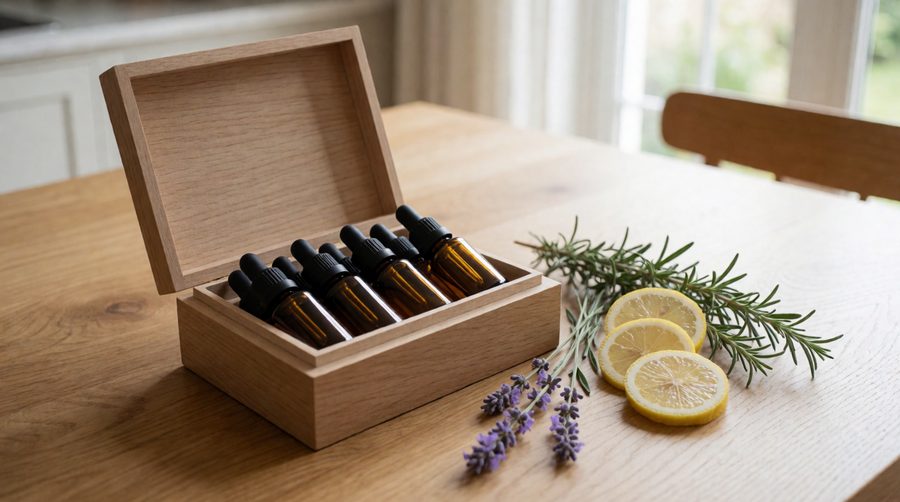
Boxes sold as "essential oils" vary much more than the boxes suggest. These are the main kinds you'll come across:
| Type | What's inside | Typical sizes | Best for |
|---|---|---|---|
| Pure starter kit | Single-plant essential oils such as lavender, peppermint and tea tree | 6 x 10ml or 12 x 5ml | Beginners, aromatherapy, any diffuser |
| Large collection | 20-35 different oils, often including costly ones in smaller bottles | 5ml-10ml each | Blending your own, keen hobbyists |
| Blend collection | Pre-mixed blends named for a mood: sleep, calm, energy, breathe | 3-6 x 10ml | People who don't want to blend |
| Hotel and fragrance oils | Designed scents inspired by hotels or seasons, often fragrance oils | 3 x 20ml to 3 x 44ml | Home fragrance, cold-air and nebulising machines |
| Diffuser and oil set | A diffuser plus a few bottles of oil in one box | Varies | Gifts, first-time buyers |
| Organic collection | Certified organic single oils | 2.5ml-10ml each | Buyers who want certified sourcing |

This is the most important thing to check. A pure essential oil is distilled or pressed from a single plant, and a good label gives the Latin name, such as Lavandula angustifolia for lavender. A fragrance oil is a designed scent, often partly or wholly synthetic, used to create smells no plant gives you, such as "ocean", "fresh linen" or a hotel lobby.
Neither is wrong, but they suit different jobs. For aromatherapy, or if you want to know exactly what you're breathing in, buy pure essential oils with Latin names and "100% pure" on each bottle. For a signature home scent, an aroma oil set of fragrance blends is fine, and many are made for cold air diffusers and hotel scent diffusers. Watch for listings that call fragrance oils an "essential oils set" in the title; the bottle labels and ingredients tell you which you're getting.
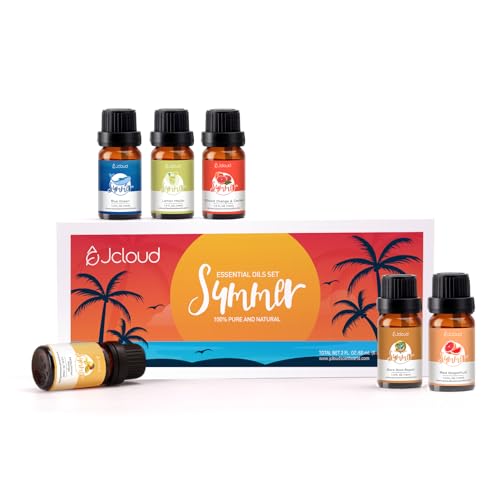
Ultrasonic diffusers mix a few drops with water, so almost any essential oil works. Nebulising and waterless machines use oil neat, which uses more of it and can clog with thick essential oils such as myrrh, vetiver or sandalwood, so check the manufacturer's advice. If you run a nebulizing diffuser, a kit with larger bottles or a refill size is better value. Reed diffusers are a different product: the fragrance is already diluted in a base and goes straight in the jar.
Compare the price per ml, not per box. A 12 x 5ml box may look generous but holds 60ml in total, the same as 6 x 10ml. Droppers vary, but a 10ml bottle typically gives somewhere between about 160 and 400 drops depending on the dropper and how thick the oil is, so even at five drops a session one bottle covers 30 or more sessions.
Look for a mix of essential oil families: a floral (lavender, geranium), a citrus (lemon, sweet orange, bergamot), a herb or mint (peppermint, rosemary) and a wood or resin (cedarwood, frankincense). That gives you enough range to blend. Expensive essential oils such as rose, neroli and chamomile often come in tiny bottles or as dilutions, so read the details.
Hazard symbols on the box are normal. As the Tisserand Institute safety guidelines explain, pure oils are concentrated, should never go on the skin undiluted and should be kept away from young children.
| Oil | Scent | Often used for |
|---|---|---|
| Lavender | Soft, floral, herbal | Winding down in the evening |
| Peppermint | Sharp, cool, minty | A fresh, clearing scent during the day |
| Eucalyptus | Camphor-like, fresh | Bathrooms and winter |
| Tea tree | Medicinal, green | Freshening rooms and cleaning blends |
| Lemon / sweet orange | Bright, citrus | Kitchens, mornings, uplifting blends |
| Rosemary | Herbal, woody | Home offices and study |
| Frankincense | Warm, resinous | Calm, grounding blends |
A simple first blend: three drops of lavender and two of sweet orange in an ultrasonic diffuser for the evening.
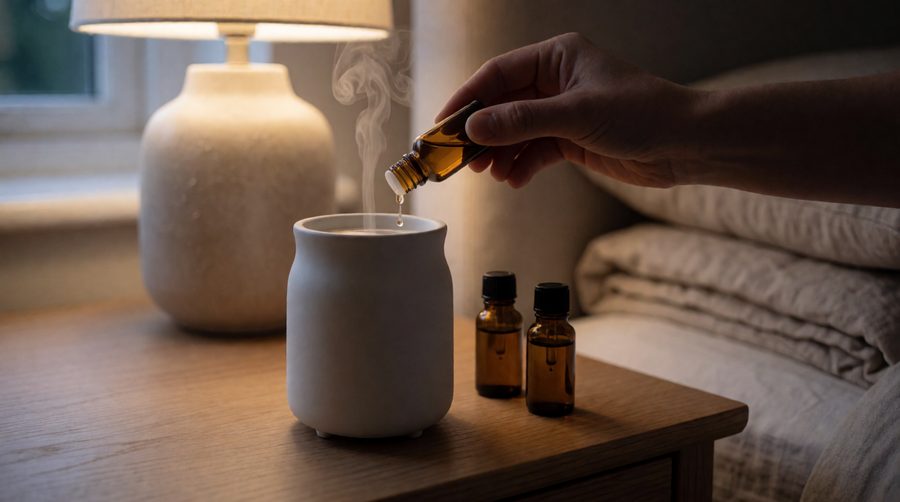

An essential oil gift set makes a good present because it's useful, easy to post and suits most budgets. For someone who already owns a diffuser, choose six classic oils or a themed blend collection (sleep, winter spice, summer citrus). For someone new to aromatherapy, an oil diffuser set (sometimes sold as an aroma diffuser set) with a machine and a few essential oils in one box is simpler. For a more decorative present, pair the oils with one of our glass diffusers, which look good on a shelf when switched off.
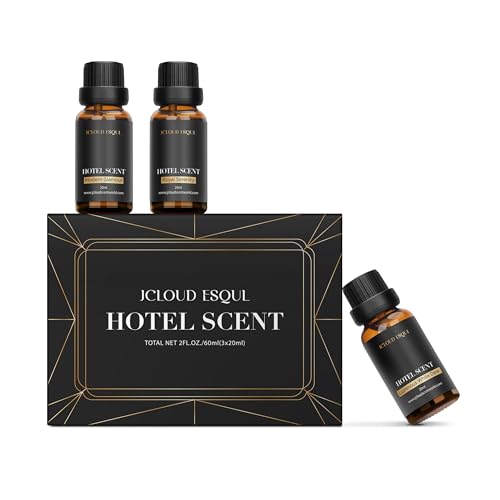
Seasonal boxes are popular around Christmas, and hotel-scent collections suit people who loved the smell of a particular stay. Check the recipient doesn't have cats before you buy (see below).
Essential oils age as they react with air, heat and light. The Tisserand Institute says most oils keep well for at least 1-2 years, citrus oils are among the quickest to deteriorate, and keeping them in the fridge can roughly double their useful life. Oxidised essential oils smell flatter and are more likely to irritate skin. Keep caps on tightly, store bottles upright in their box away from sunlight and radiators, and write the opening date on the box.
Lavender, peppermint, eucalyptus, tea tree, lemon or sweet orange, and rosemary essential oils cover most needs and blend well together. That six-oil line-up is the most common starter kit.
10ml bottles are better value if you diffuse often. 5ml bottles are good for trying lots of scents, and large 20-plus bottle collections are mostly 5ml.
Usually yes, but waterless and nebulising machines use oil neat and faster, and thick oils can block the nozzle. Thin essential oils such as citrus, eucalyptus and lavender work best.
No. An aromatherapy oil set should contain pure plant oils with Latin names on the label. Fragrance oils are designed scents for home fragrance; they can smell great but aren't used for aromatherapy.
Used a few times a week in an ultrasonic diffuser, six 10ml bottles of essential oil last months. Once opened, aim to use the oils within a year or two, sooner for citrus.
Yes, especially for someone new to aromatherapy, as it gives them everything to start. Avoid it for anyone with cats, and include a note about not using oils neat on skin.